Storage Unit Insurance in Texas: What’s Covered and Why You Need It


Storage unit insurance policy document protecting belongings in a North Richland Hills, TX facility

Most people renting a storage unit for the first time assume that the facility is responsible if something happens to their belongings. That assumption is almost always wrong. Storage facilities in Texas — including well-run, well-secured facilities — are generally not liable for damage or loss to items stored on their premises. Storage unit insurance exists specifically to fill that gap, and understanding what it covers, what it does not, and how to choose the right plan is one of the most practical things a renter can do before moving anything into a unit. This guide explains storage unit insurance clearly, covers what Texas renters specifically need to know, and helps you make a confident decision before your first month of storage begins. Why Storage Facilities Are Not Automatically Responsible for Your Belongings When you sign a storage rental agreement, there is almost always a clause that limits or eliminates the facility’s liability for damage, theft, or loss. This is standard practice across the industry and is legally enforceable in Texas. It means that even at a facility with excellent security — surveillance cameras, gated access, smart monitoring, fire-proof measures — the facility itself is not financially responsible if your items are damaged by an unforeseen event. This does not reflect poor business practice on the part of the facility. It reflects the fundamental reality that no security system, however thorough, can guarantee against every possible risk. Fire, flooding from extreme weather, accidental damage during neighboring unit access, or circumstances beyond the facility’s control are all scenarios that fall outside the facility’s liability. Insurance is the mechanism designed to protect you in exactly those situations. Does Your Homeowner’s or Renter’s Insurance Cover Storage Units? This is the first question worth asking before purchasing a separate storage insurance plan. Some homeowner’s and renter’s insurance policies do extend coverage to personal property stored off-premises, but the coverage is often limited in ways that matter. Common limitations in homeowner’s and renter’s policy coverage for storage units include: Coverage capped at a ...


Habib Ahsan
June 28th, 2026


Best Moving Tips for Families Relocating in Richland Hills and Haltom City


Family packing and labeling moving boxes during a relocation in Richland Hills and Haltom City, TX

Best Moving Tips for Families Relocating in Richland Hills and Haltom City Family moves are a different animal from moving solo. You are coordinating schedules, managing children through an emotionally charged transition, packing belongings that span every age and life stage, and trying to keep daily routines intact while everything around you is in flux. Families relocating in Richland Hills, Haltom City, and the surrounding DFW mid-cities area face all of that alongside Texas heat, busy highway corridors, and the general unpredictability of any major move. These moving tips are built around what actually works — practical, specific, and genuinely useful for families at every stage of the process. Whether you are moving across town or arriving from another state, a clear plan and the right support in place before moving day make the difference between a manageable transition and a chaotic one. Start Planning Further in Advance Than You Think You Need To Most families underestimate how much lead time a move actually requires. Six to eight weeks feels like plenty. In practice, school enrollment deadlines, utility transfer timelines, moving company availability during peak summer months, and the sheer volume of packing involved all push up against that window faster than expected. Eight to twelve weeks of lead time gives you space to sort, pack, and plan without the last-week panic that derails most moves. It also gives you time to book a storage unit before moving day, which becomes significantly more important once you have children’s furniture, seasonal gear, and overflow boxes factored into the equation. The DFW mid-cities area — including Richland Hills, North Richland Hills, Haltom City, and Hurst — sees high moving activity in late spring and summer, which is also when school years end, and families tend to time their relocations. Moving company availability tightens considerably during these months, so booking early is not optional. Sort Before You Pack: The Step Most Families Skip Packing without sorting first is one of the most common and costly moving mistakes families make. It results ...


Habib Ahsan
June 23rd, 2026


Drive-Up Storage Units: Why They Make Moving Day So Much Easier


Moving truck parked directly in front of a drive-up storage unit in North Richland Hills, TX

Moving day has a way of turning small inconveniences into genuine frustrations. A heavy sofa that needs to travel down three flights of stairs. A refrigerator that barely fits through a doorway. Boxes stacked so high in a moving truck that unloading feels like a puzzle with no clear solution. The last thing anyone needs on top of all that is a storage facility that requires hauling items across a long indoor corridor before anything can be put away. Drive-up storage units in North Richland Hills solve that problem at the most basic level — you pull your vehicle directly to the unit door, unload, and you are done. This guide covers what drive-up storage actually offers, who it works best for, and why the access type you choose can make a genuine difference in how smooth your moving day goes. What Makes Drive-Up Storage Different from Indoor Units Indoor storage units are typically housed inside a climate-controlled building and accessed through corridors, often via elevator or stairwell. They offer excellent environmental protection and are the right choice for temperature-sensitive belongings. The tradeoff is that loading and unloading require carrying items from the parking area, through the building, and down a hallway to the unit. Drive-up storage units are located at ground level with direct outdoor access. You park your vehicle — whether that is a personal car, a pickup truck, a rented moving van, or a full-size moving truck — directly in front of the unit door. There is no hallway to navigate, no elevator to wait for, and no distance between your vehicle and your unit. You open the door, load or unload, and leave. The difference in physical effort on a full moving day is significant. Items that require two people and careful maneuvering through an indoor facility can often be moved by one person with a dolly when the vehicle is parked three feet from the unit entrance. Who Benefits Most from Drive-Up Storage Units Drive-up access is a practical advantage for almost ...


Habib Ahsan
June 17th, 2026


Month-to-Month vs. Long-Term Storage Contracts: Which Saves You More?


Person reviewing flexible month-to-month storage rental contract options in North Richland Hills, TX

Storage rental agreements are not all built the same way, and the difference between a month-to-month rental and a long-term contract can have a real impact on both your flexibility and your total cost. Most people assume that committing to a longer contract automatically saves money. That is sometimes true — but not always, and not for everyone. The right choice depends on your situation, how long you genuinely need storage, and what happens if your plans change before the contract ends. This guide breaks down both options clearly so that anyone searching for month-to-month storage rental in North Richland Hills, TX — or anywhere in the DFW mid-cities area — can make an informed decision before signing anything. What Month-to-Month Storage Actually Means A month-to-month rental agreement gives you storage for a single month at a time. At the end of each month, the rental renews automatically unless you give notice to vacate. There is no set end date, no long-term commitment, and no penalty for leaving when your situation changes. This structure puts you in control. You are not locked into a timeline that may no longer match your needs three months from now. A renovation that was supposed to take six weeks stretched to four months. A move that seemed straightforward becomes more complicated. A short-term storage need becomes permanent. Month-to-month rental absorbs all of those changes without financial consequence. The tradeoff, at some facilities, is a slightly higher monthly rate compared to a discounted long-term agreement. Whether that premium is worth paying depends entirely on how confident you are in your timeline — and what it would cost you to exit a contract early if your plans shift. What Long-Term Storage Contracts Offer Long-term contracts commit you to a storage rental for a set period — commonly six months or a year — in exchange for a reduced monthly rate. At face value, the math looks straightforward: a lower monthly rate over more months equals a lower total cost. In practice, the calculation is ...


Habib Ahsan
June 17th, 2026


Drive-Up Storage Units: Why They Make Moving Day So Much Easier


Moving truck parked directly in front of a drive-up storage unit in North Richland Hills, TX

Moving day has a way of turning small inconveniences into genuine frustrations. A heavy sofa that needs to travel down three flights of stairs. A refrigerator that barely fits through a doorway. Boxes stacked so high in a moving truck that unloading feels like a puzzle with no clear solution. The last thing anyone needs on top of all that is a storage facility that requires hauling items across a long indoor corridor before anything can be put away. Drive-up storage units in North Richland Hills solve that problem at the most basic level — you pull your vehicle directly to the unit door, unload, and you are done. This guide covers what drive-up storage actually offers, who it works best for, and why the access type you choose can make a genuine difference in how smooth your moving day goes. What Makes Drive-Up Storage Different from Indoor Units Indoor storage units are typically housed inside a climate-controlled building and accessed through corridors, often via elevator or stairwell. They offer excellent environmental protection and are the right choice for temperature-sensitive belongings. The tradeoff is that loading and unloading require carrying items from the parking area, through the building, and down a hallway to the unit. Drive-up storage units are located at ground level with direct outdoor access. You park your vehicle — whether that is a personal car, a pickup truck, a rented moving van, or a full-size moving truck — directly in front of the unit door. There is no hallway to navigate, no elevator to wait for, and no distance between your vehicle and your unit. You open the door, load or unload, and leave. The difference in physical effort on a full moving day is significant. Items that require two people and careful maneuvering through an indoor facility can often be moved by one person with a dolly when the vehicle is parked three feet from the unit entrance. Who Benefits Most from Drive-Up Storage Units Drive-up access is a practical advantage for almost ...


Habib Ahsan
June 15th, 2026


Self-Storage in Hurst, TX: What Locals Should Know Before Renting


Clean and secure self-storage facility in Hurst TX with climate-controlled units available

Moving to a new home in the Mid-Cities area, downsizing after years in the same house, or simply running out of closet space — these are the moments when self-storage in Hurst, TX, starts to make a lot of sense. Hurst sits right in the heart of the DFW Metroplex, surrounded by Bedford, Euless, and North Richland Hills, and residents here deal with the same space challenges as anyone in a fast-growing suburb. Whether you are storing furniture between moves, holding onto seasonal gear, or keeping business inventory off-site, the right storage unit can take a real load off your daily life. Why So Many Hurst Residents Choose to Rent Storage Space The Mid-Cities corridor has grown steadily over the past decade. More people mean more stuff, and homes in Hurst do not always come with the garage space or extra rooms to hold everything. Families here often store holiday decorations, sporting equipment, patio furniture, and bulky appliances they are not ready to part with. Small business owners in the area use storage units to keep supplies, tools, and merchandise organized without paying for a full commercial lease. Renters in between apartments, homeowners doing renovation work, and people going through major life transitions all find that a nearby storage unit makes a difficult time a little easier to manage. It is one of those practical solutions that becomes surprisingly valuable once you actually use it. Choosing the Right Unit Size for Your Needs One of the most common mistakes renters make is picking the wrong unit size. Going too small means a second trip and possibly renting a second unit. Going too large means paying every month for space you never actually use. Common Unit Sizes and What Fits Inside Here is a practical breakdown of the most popular options: • 5x5 units hold boxes, small furniture, seasonal décor, and the contents of a small closet • 5x10 units work well for a studio apartment's worth of belongings or a few pieces of larger furniture • ...


Habib Ahsan
June 2nd, 2026


Gated PIN Access Storage: Why It Matters for Your Peace of Mind


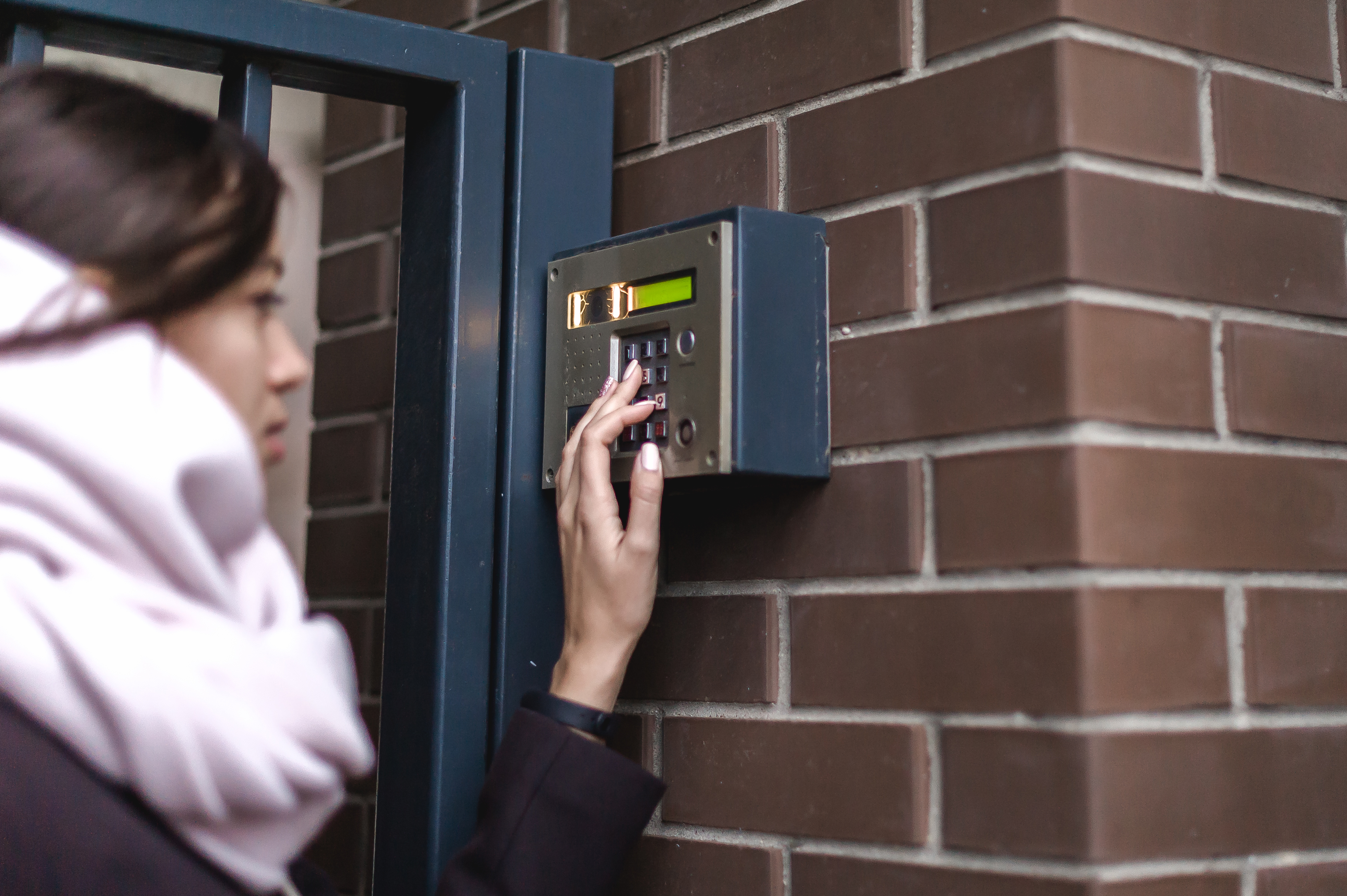
Person entering personalized PIN code at a gated storage facility in North Richland Hills, TX

There is a meaningful difference between a storage facility that has a gate and one that actually controls who enters through it. A gate without proper access management is a visual deterrent at best. Gated PIN access storage takes that a step further by tying every entry to a specific code — and when each tenant has their own personalized PIN rather than a shared facility code, the gate becomes a genuine accountability system rather than a formality. At Richland Hills Secure Storage in North Richland Hills, TX, gated entry with personalized access codes is one of several security layers working together to protect your belongings every hour of the day. This post explains how PIN access works, why personalized codes matter more than shared ones, and what genuine gated security looks like when it is done properly. What Gated PIN Access Storage Actually Means A gated storage facility restricts vehicle and foot access to the property through a physical barrier — typically an automated gate that only opens when a valid code is entered. The gate controls who can physically enter the premises, which is the first line of defense against unauthorized access. PIN access refers to the entry method. Rather than a key, a card swipe, or a shared passcode printed on a sign at the entrance, tenants enter a personal identification number to open the gate. At facilities where every tenant has a unique PIN, that number is linked directly to their account. The system logs when the code was used, meaning every entry is documented and traceable. This distinction matters more than it might initially seem. A shared code used by dozens of tenants simultaneously provides no accountability. Anyone who has ever had a unit at that facility, or been given the code by someone who did, can enter without detection. A personalized PIN closes that gap entirely. Shared Codes vs. Personalized PINs: Why the Difference Matters Many storage facilities use a single access code for the entire property. It is simpler to ...


Habib Ahsan
May 27th, 2026


How 24/7 Surveillance Protects Your Stored Belongings in North Richland Hills


24/7 surveillance camera system protecting a secure storage facility in North Richland Hills, TX

Most people do not think much about storage facility security until something goes wrong. A break-in at a nearby unit. A package is missing from a drive-up row. An incident reported in a neighborhood group makes you realize your stored furniture, documents, or equipment may be less protected than you assumed. Security is the one feature that matters most when you are not there to watch over your belongings yourself. At Richland Hills Secure Storage in North Richland Hills, 24/7 surveillance is not a marketing phrase — it is a system of layered protections designed to keep your unit secure every hour of every day. This post breaks down exactly what that security system includes, why each layer matters, and what to look for when comparing storage facilities in the DFW mid-cities area. Why Storage Facility Security Is More Important Than Most People Realize Self-storage theft is more common than the industry typically advertises. Facilities without adequate lighting, outdated camera systems, or shared access codes create environments where opportunistic theft becomes easier than it should be. The items people store — furniture, electronics, business inventory, important documents, recreational equipment — often represent significant financial and sentimental value. What many renters discover too late is that a low monthly rate at a poorly secured facility can result in losses that far exceed the money saved on rent. Security infrastructure costs money to install and maintain, and facilities that cut corners on price often cut them elsewhere, too. Knowing what a well-secured facility looks like makes it easier to evaluate your options honestly before signing a rental agreement. The Security System at Richland Hills Secure Storage Security at Richland Hills Secure Storage is built around multiple overlapping layers rather than a single point of protection. Each layer addresses a different vulnerability, and together they create an environment where unauthorized access is genuinely difficult and deterred at every stage. 24/7 Surveillance Cameras Surveillance cameras cover the facility continuously, twenty-four hours a day, seven days a week. This is not ...


Habib Ahsan
May 20th, 2026


50% Off Your 2nd and 3rd Month: How Our New Tenant Storage Promotion Works


New tenant storage unit promotion offering 50 percent off at Richland Hills Secure Storage in North Richland Hills, TX

Most storage facilities offer a deal that sounds good until you read the fine print. A discounted first month that requires a long-term contract. A promotional rate that reverts to something significantly higher. Conditions that make the savings harder to claim than the ad made it seem. The storage unit promotion at Richland Hills Secure Storage in North Richland Hills works differently. New tenants receive 50% off their second and third month's rent — straightforwardly, with no hidden conditions and no long-term contract required. This post explains exactly how the promotion works, who qualifies, and what you actually save depending on the unit size you choose. What the Promotion Actually Includes The offer is simple. New tenants who sign up at Richland Hills Secure Storage receive their second and third months of storage at 50% of the standard monthly rate. That means your first three months of storage cost significantly less than three full months at the regular price. There are no complicated requirements to satisfy. You rent the unit, your first month is charged at the standard rate, and your second and third months are automatically discounted by half. The saving applies to the base monthly rental rate for whatever unit size you choose. Month-to-month rentals are available with no long-term contract required. You are free to stay as long as you need to, and the pricing stays transparent throughout — no hidden charges, no surprise fees, and no sudden rate increases buried in the small print. How Much Do You Actually Save? The savings depend on the unit size you rent. Here is what the promotion looks like across the three main size categories available at Richland Hills Secure Storage. Compact Units — From $22 per Month Compact units in the 5x7.5 to 5x10 range start at $22 a month. At that rate, your second and third months would each cost $11 instead of $22. Over the three-month promotional period, that is a total saving of $22 compared to paying full price for all ...


Habib Ahsan
May 17th, 2026


Business Storage for Tax Season: Keep Your Records Safe and Accessible in North Richland Hills


Organized business tax records and folders stored safely in a North Richland Hills, TX storage unit

Tax season has a way of exposing every filing system that has been neglected for the past twelve months. Stacks of receipts, folders of invoices, boxes of prior-year returns, and equipment records that should have been organized months ago suddenly need to be found, reviewed, and accounted for. For small business owners across North Richland Hills, Hurst, and Bedford, business storage for tax records is one of the most practical steps you can take to get ahead of the process — and stay ahead of it well beyond April. A properly organized storage unit does more than just clear space in your office. It gives your documents a secure, accessible, and protected environment where they can be kept for as long as the IRS requires — without cluttering your workspace or putting sensitive records at risk. How Long Do Businesses Actually Need to Keep Tax Records? Before deciding what to store and for how long, it helps to understand the IRS retention guidelines that apply to most small businesses. The general rule is that supporting documents for a tax return should be kept for at least three years from the date the return was filed. However, that period extends to six years if you underreported income by more than 25 percent, and there is no time limit for fraudulent returns or returns that were never filed. Employment tax records carry a separate requirement of at least four years. Property records should be kept for as long as you own the property, plus the applicable retention period after disposal. For most small business owners operating in the DFW mid-cities area, a practical approach is to keep all records for a minimum of seven years. That covers the most common audit scenarios without requiring indefinite storage of every document you have ever generated. What Business Records Should Go Into Storage? Not every document needs to take up space in your active office. Once a tax year is closed and the return has been filed, the supporting ...


Habib Ahsan
May 17th, 2026


Items per page
10
1 - 10 of 15 posts
Categories